
Sápmi
Sámi eanan
Sápmi – the Sámi land
The Sámi are a heterogenous people speaking different Indigenous Languages and the hegemonic language of the country in which they live.
The best way to interpret their cultural and linguistic similarities and differences within Sami languages is to acknowledge their shared
cultural-linguistic substrata while appreciating the internal developments leading to the development of a cultural-linguistic continuum ranging from Eastern Kola Peninsula and north- central Finland to the southern-Norway/central-Sweden.
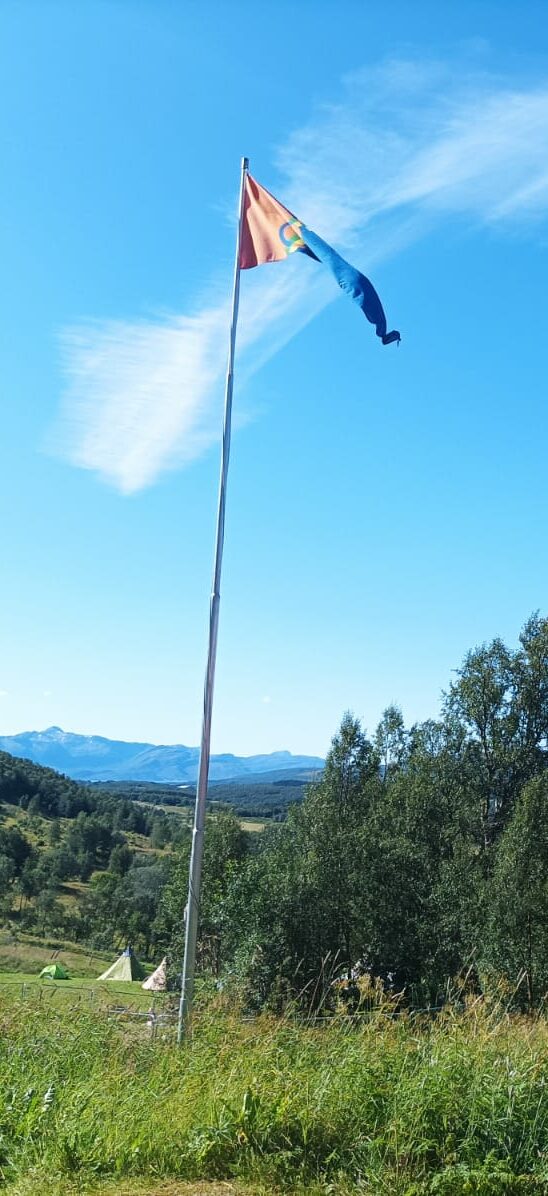
Listen to the 1980 song Sámi ædna by Sverre Kjelsberg & Mattis Hætta. Lyrics : Ragnar Olsen Music : Sverre Kjelsberg
framførr tinget der dem satt, hørtes joiken dag og natt
“in front of the parliament where they sat, the yoik was heard day and night”
find out more about how this song came into being here!
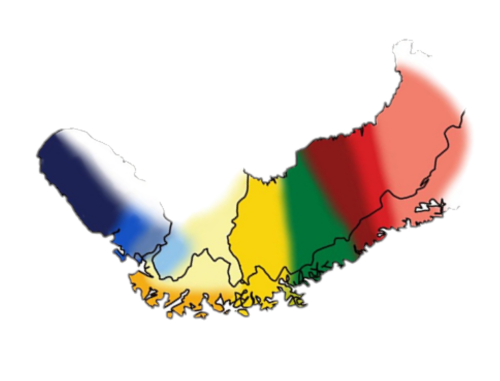
Arctic centric Map of Sápmi
Jan-Erik Lundström (2017) has studies Mathisen’s work and published the article “Names and Places: The Cartographic Interventions of Hans Ragnar Mathisen“
Sami artist Katarina Pirak-Sikku too has worked with mas as tools to re-imagine Sapmi from a Sami perspective. Check out her 2004 work Här börjar Sapmi och här slutar Sverige (Here begins Sápmi, here ends Sweden),
This map of Sapmi shows this geo-cultural region from a perspective many are not used to.
The Sami artist Elle-Hánsa /Hans Ragnar Mathisen Keviselie has explored this perspective in numerous pieces of art.
The Sámi are today a minoritized group in each of the states cutting across Sápmi.
Sámi cultures have long been stigmatized, at the local as well as at the state level.
With the exception of North Sámi, which today has around 20000 speakers, many of the still existing Sámi languages have today few active speakers10 left. All Sámi languages, dialects and
specific local varieties are currently considered endangered.
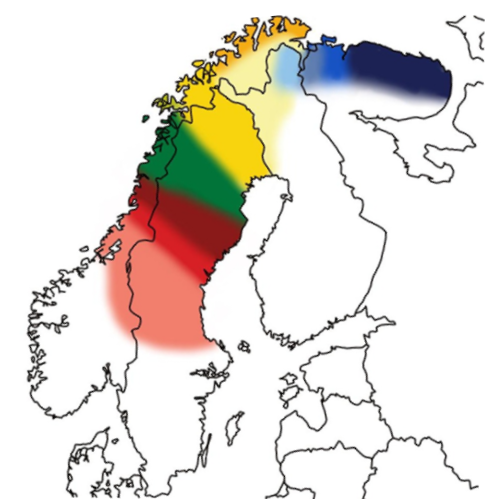
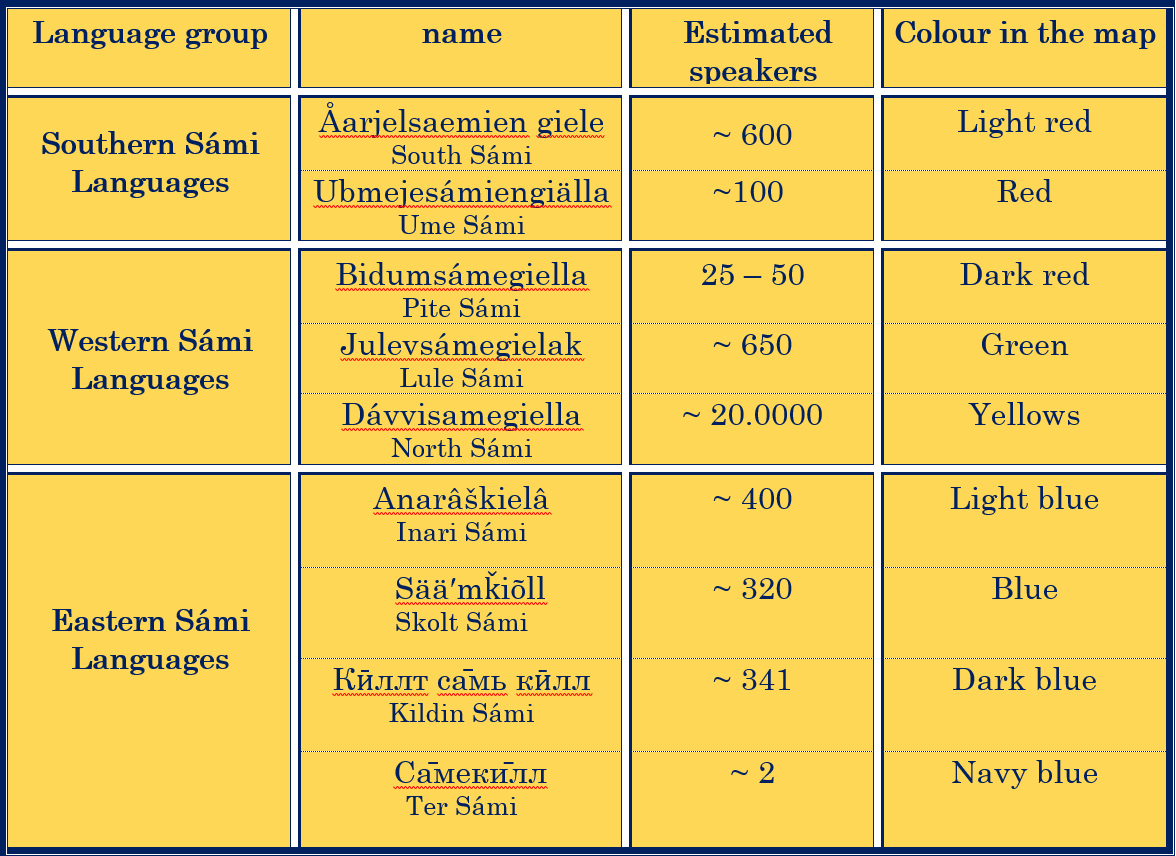
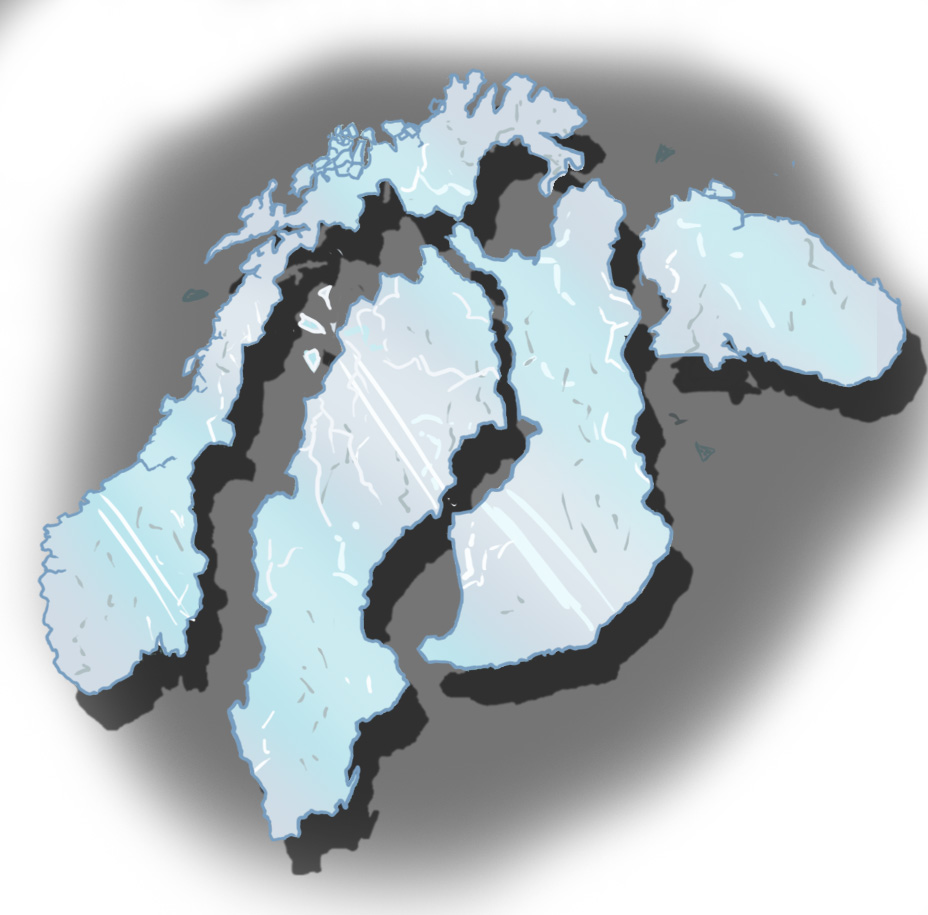
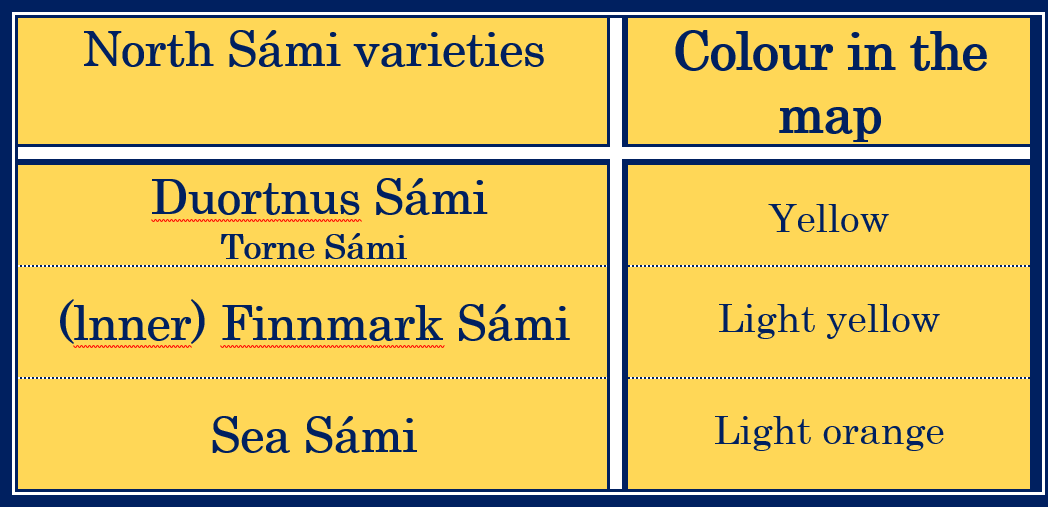
Sámi languages divided according to the three main language groups.
data: https://site.uit.no/sagastallamin/the-Sámi-languages/
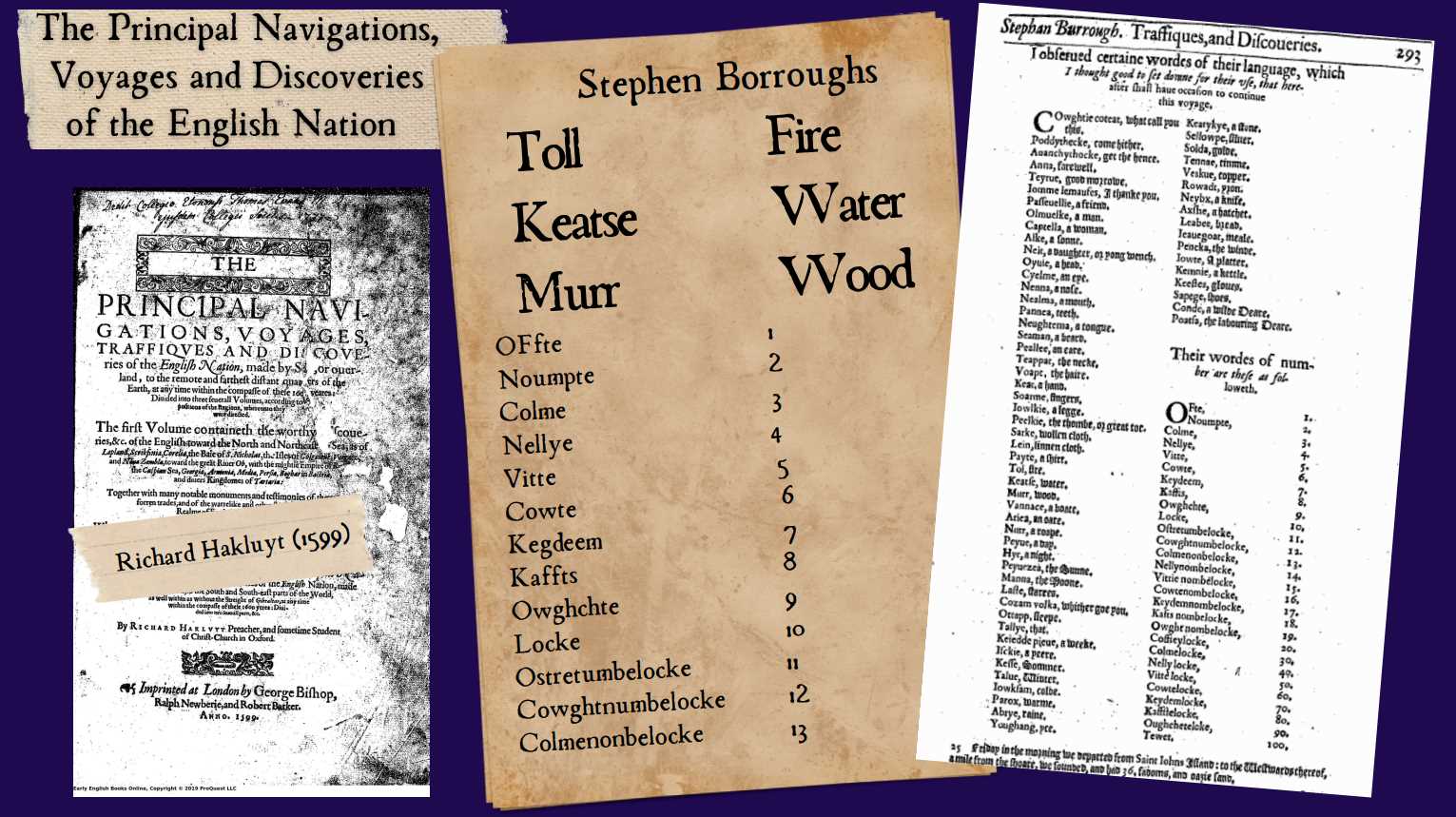
The first written records of a Sámi language date back to 1599, when the British sailor Stephen Borroughs transcribed a list of words he heard during his journey along the northernmost coasts of the European continent. He thought the small compendium could have been a useful aid in potential future trading expeditions.
Besides this case, most of the earliest examples of written Sámi languages were at the hands of local clergymen. Priests and missionaries translated religious texts to Sámi during their proselytizing campaigns. ABC Books and books of prayers were the most common of such 17th and 18th century publications.
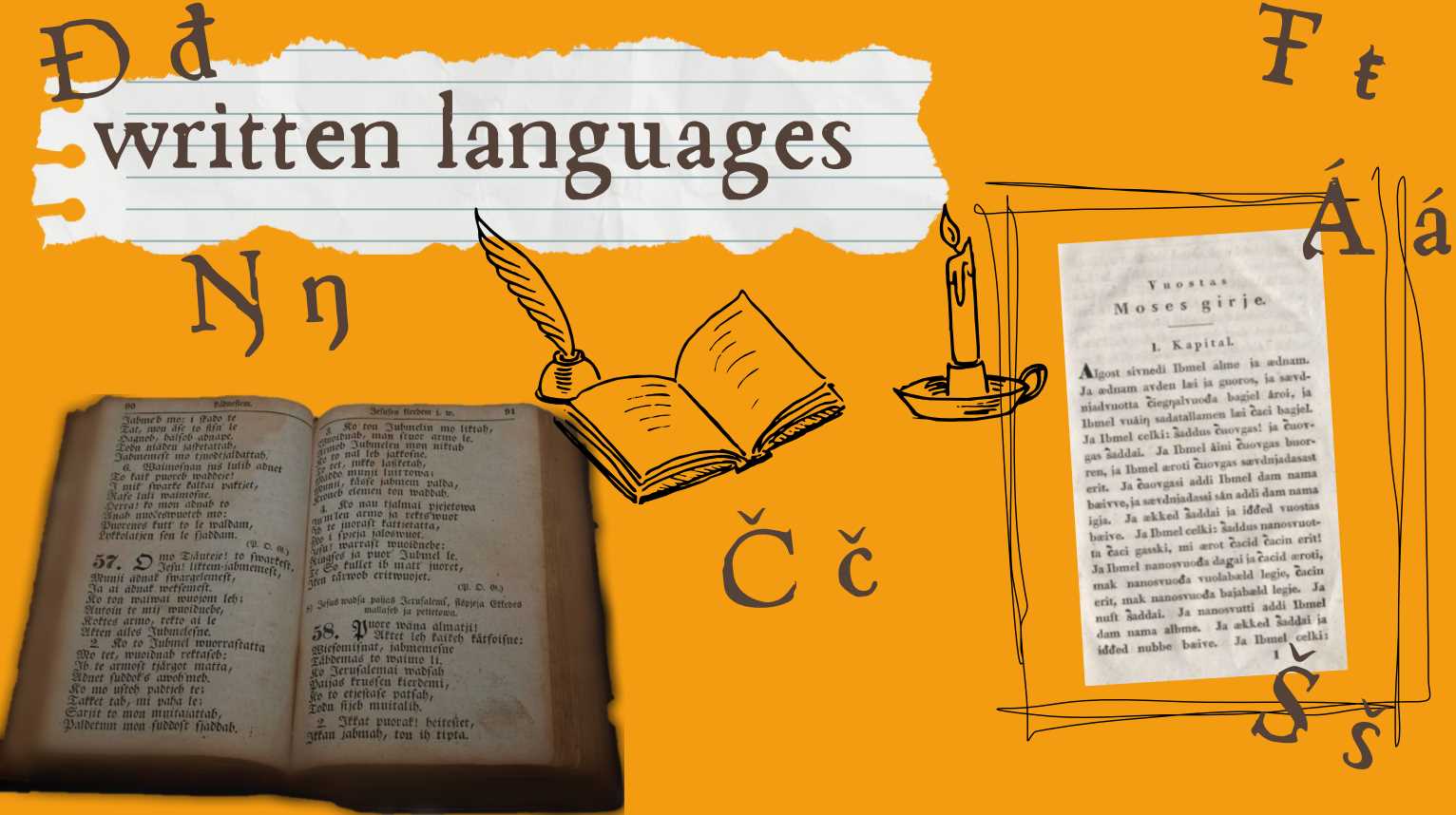
Northern Sámi was first described by Knud Leem (En lappisk Grammatica efter den Dialect, som bruges af Field-Lapperne udi Porsanger-Fiorden) in 1748 and in dictionaries in 1752 and 1768.