Once a farm, Gállogieddi has been transformed into a Sámi open-air museum. Gállogieddi Friluftsmuseum is one of the six Sámi museums currently active in Norway.
Today Gállogieddi is an important cultural institution, a tourist attraction, and a testimony of the past.
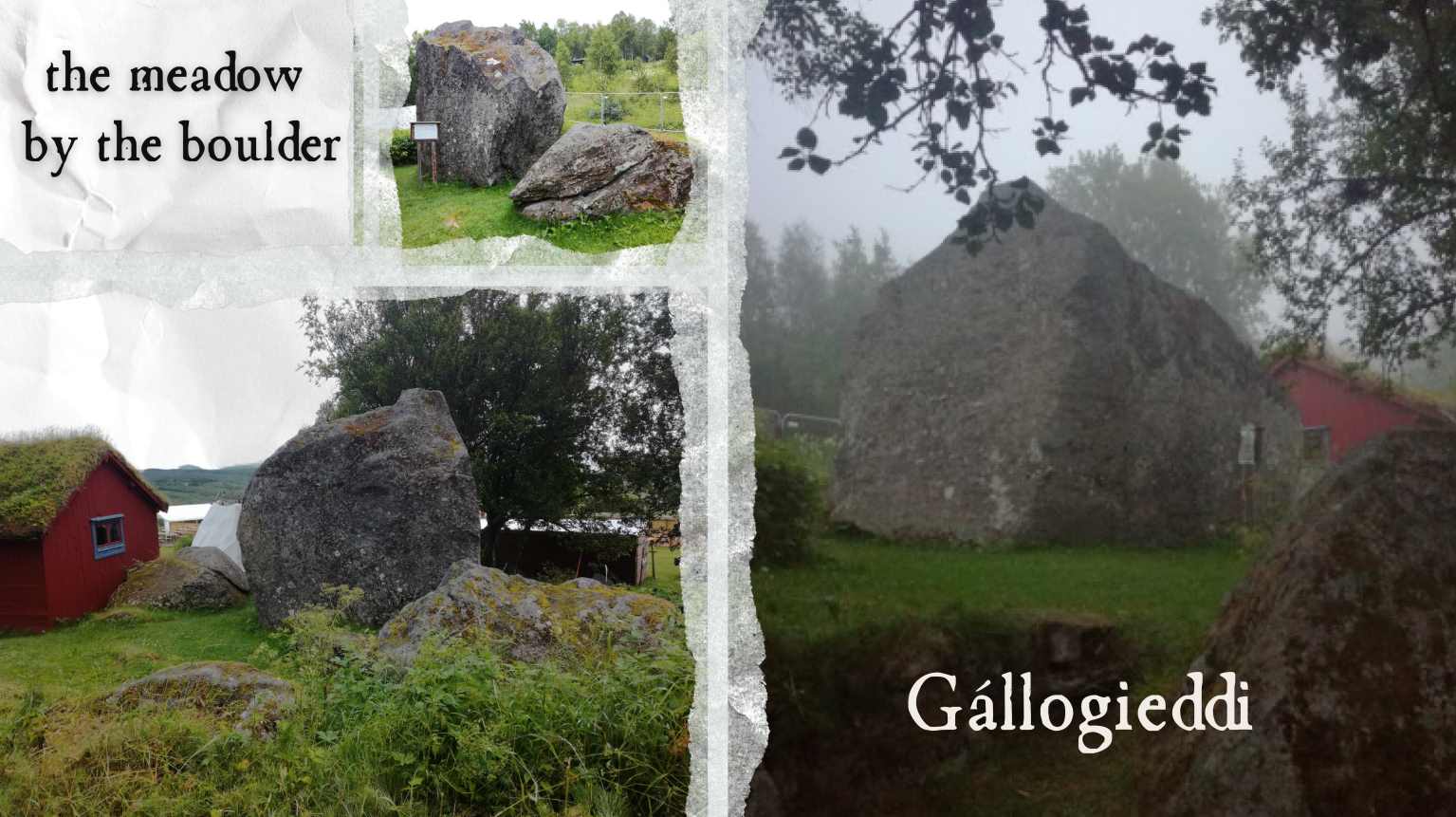
Gállogieddi is not just a Sámi place-name with a Norwegian counterpart. The place-name Gállogieddi encapsulates a worldview and constitutes an oral map in itself by enshrining information on the location itself: The toponym Gállogieddi alludes to a big erratic rock (gállu), which stands in what today are the fields (gieddi) of the old farm.
The linguistic dimension of the toponym Gállogieddi is connected with the linguistic landscape of the Márka, an area that not only witnessed and endure toponimic silencing but also a pervasive assimilation policy contributing to a language shift from the local Duortnus/Torne variety of North Sámi to Standard Bokmal Norwegian.
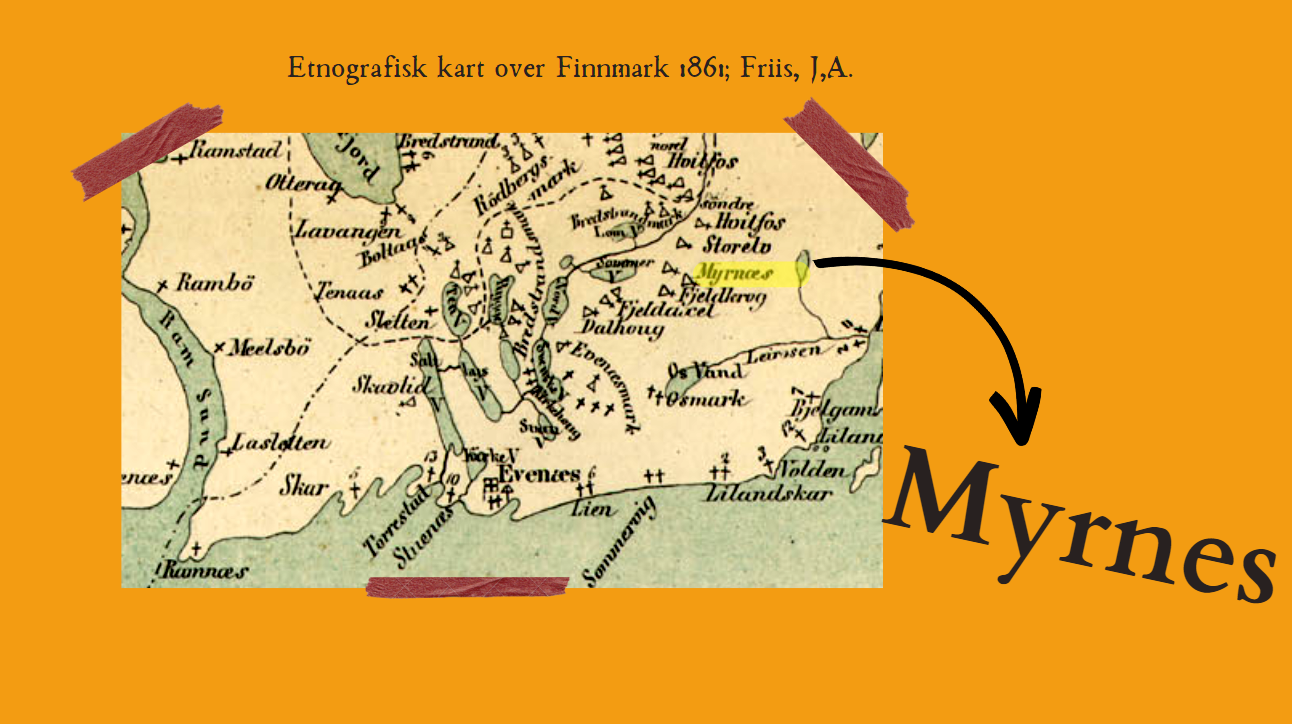
Gállogieddi is the original Sámi name of a 19th century farm known in Norwegian as Myrnes . The story of this farm, and of why it has two names in two different languages, embodies the colonial pressure exerted over Sámi people through toponymic policies.
Place-names are extremely important cultural elements. They embody intangible cultural heritages at the core of a community reflecting how it engages and has engaged with, experienced and interpreted the landscape.
Toponyms also contribute to the creation and strengthening of cultural and historical identities since they embody the historical memory of the local community passed down across generations.
Since the 1800s Norwegian authorities consciously substituted the original Sámi toponym with Norwegian names on maps and documents, systematically implementing toponymic silencing through the active exclusion of Sámi place-names from official road-signs and maps.
Here you can find Jans Andreas Friis’ map of Sapmi
.
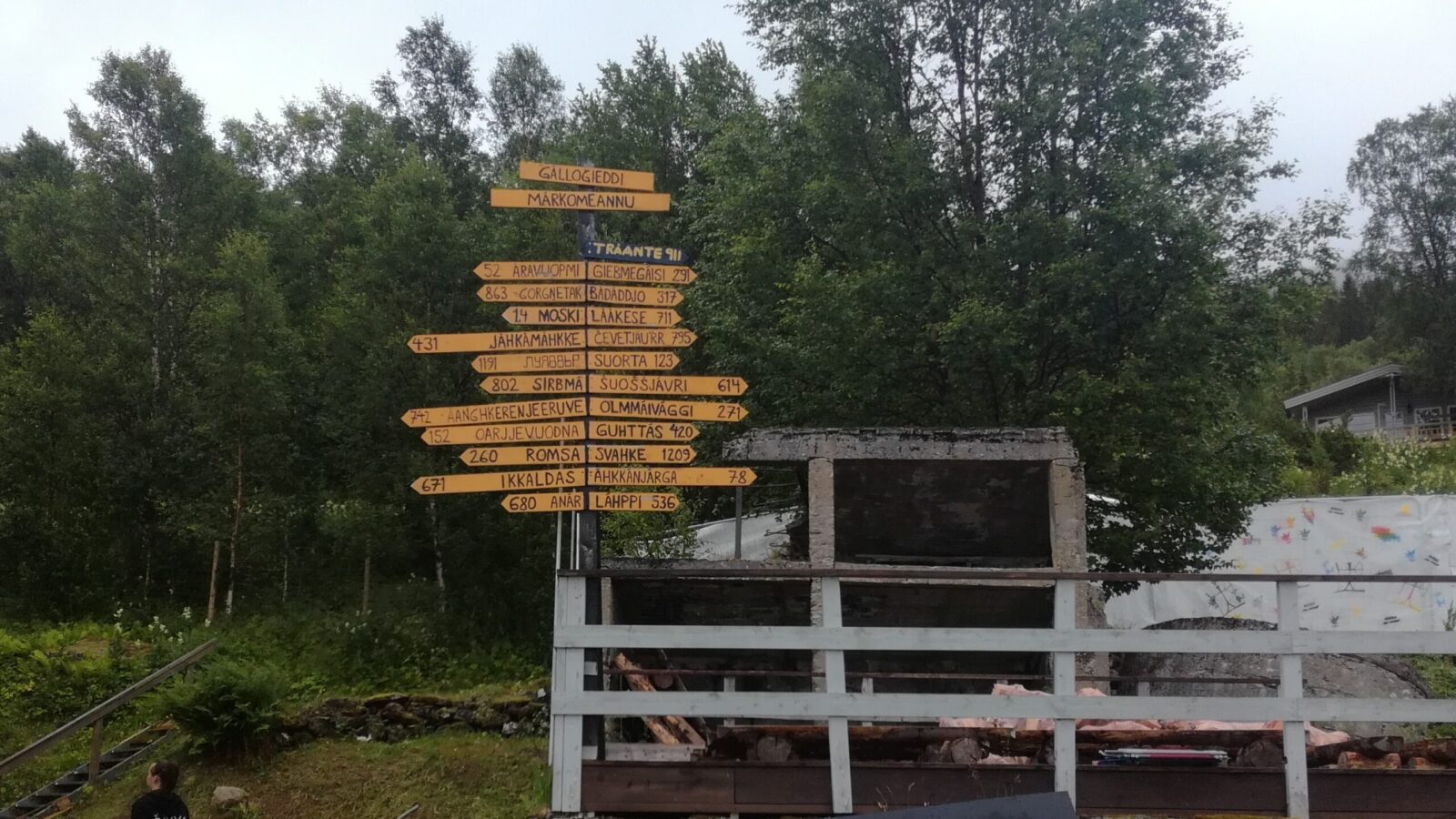
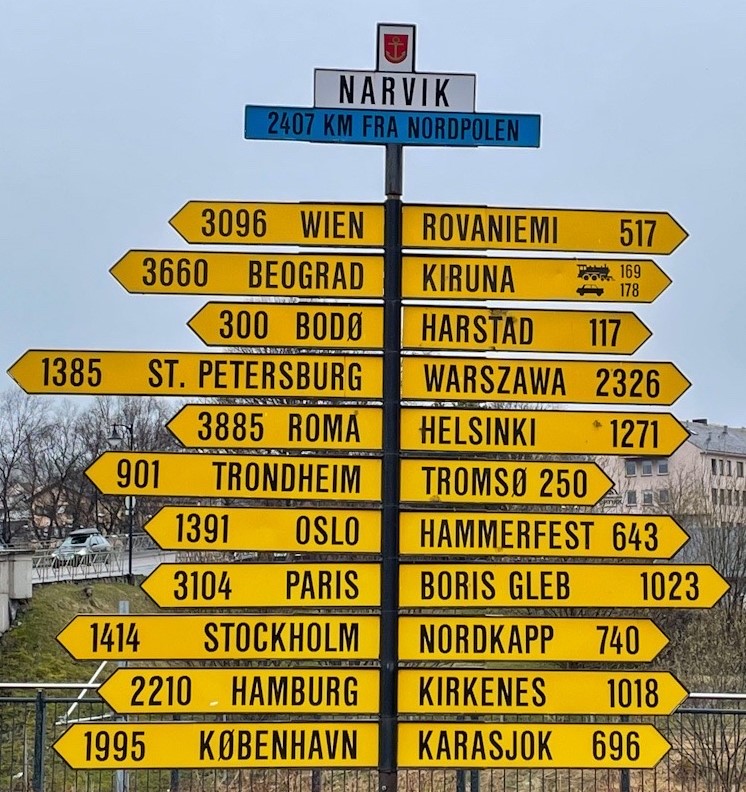
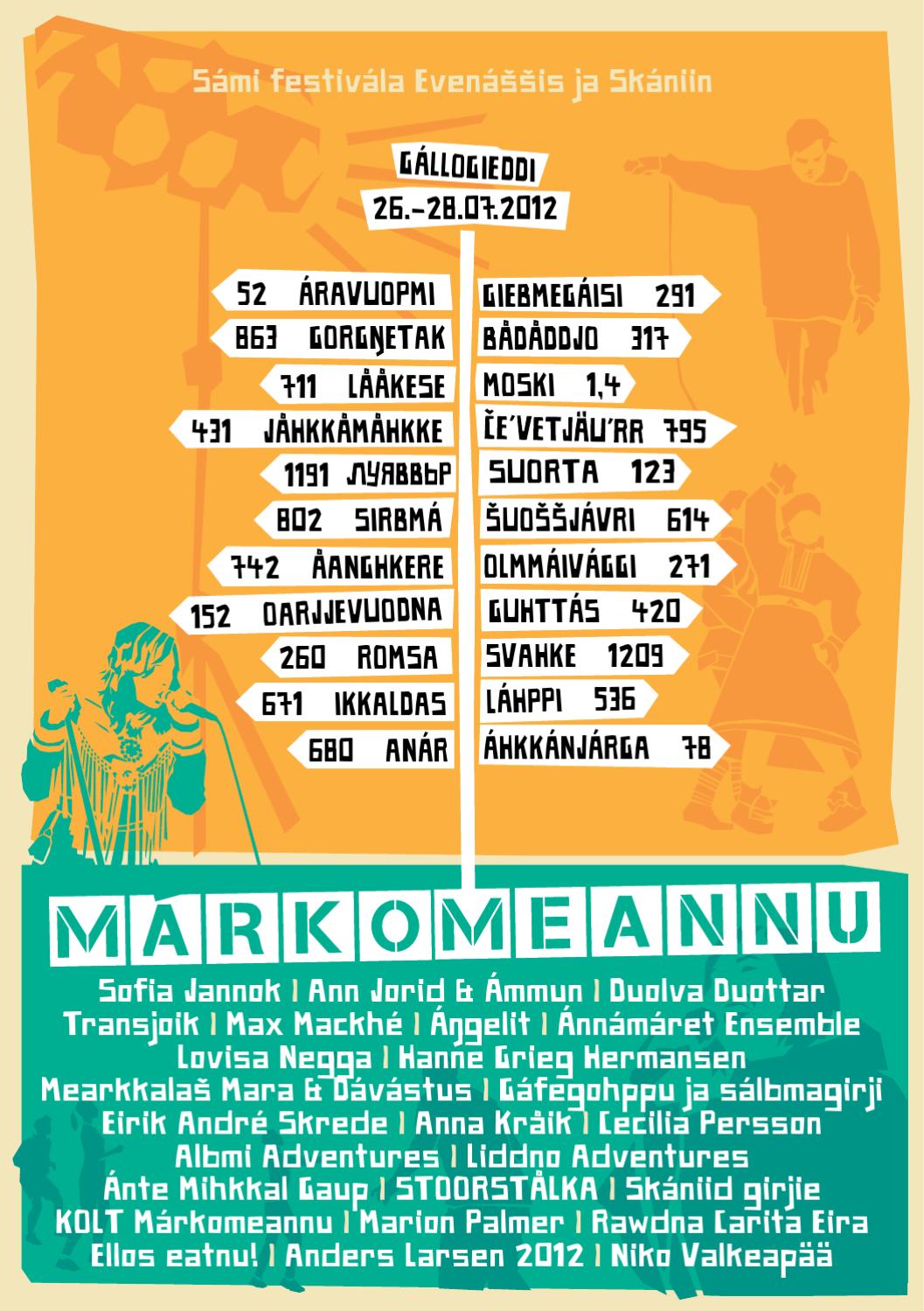
The Gállogieddi waymark, build by Márkomeannu’s staff in 2012, overturns colonial organization of space, subverting the Norwegian – as well as Swedish, Finnish and Russian – understanding of what is worth being put on a waymark, what is worth being a destination and a reference point. It subverts Norwegian toponymic silencing by attributing authority to indigenous Sámi place-names which are not only displayed in public but used as reference points.
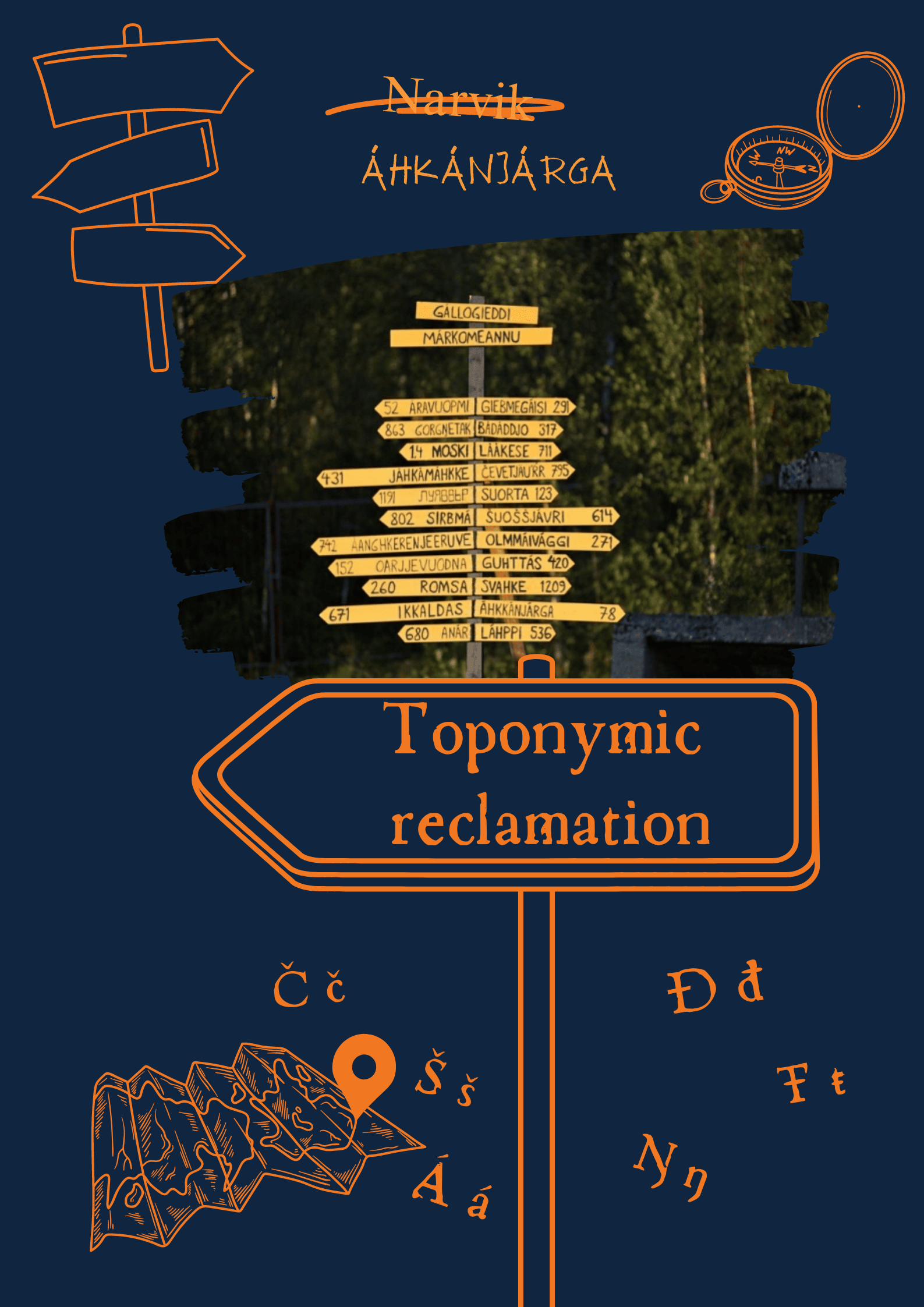
The Waymark
Luoddaáicca
Lorem ipsum dolor sit amet, at mei dolore tritani repudiandae. In his nemore temporibus consequuntur, vim ad prima vivendum consetetur. Viderer feugiat at pro, mea aperiam
Lorem ipsum dolor sit amet, at mei dolore tritani repudiandae. In his nemore temporibus consequuntur, vim ad prima vivendum consetetur. Viderer feugiat at pro, mea aperiam
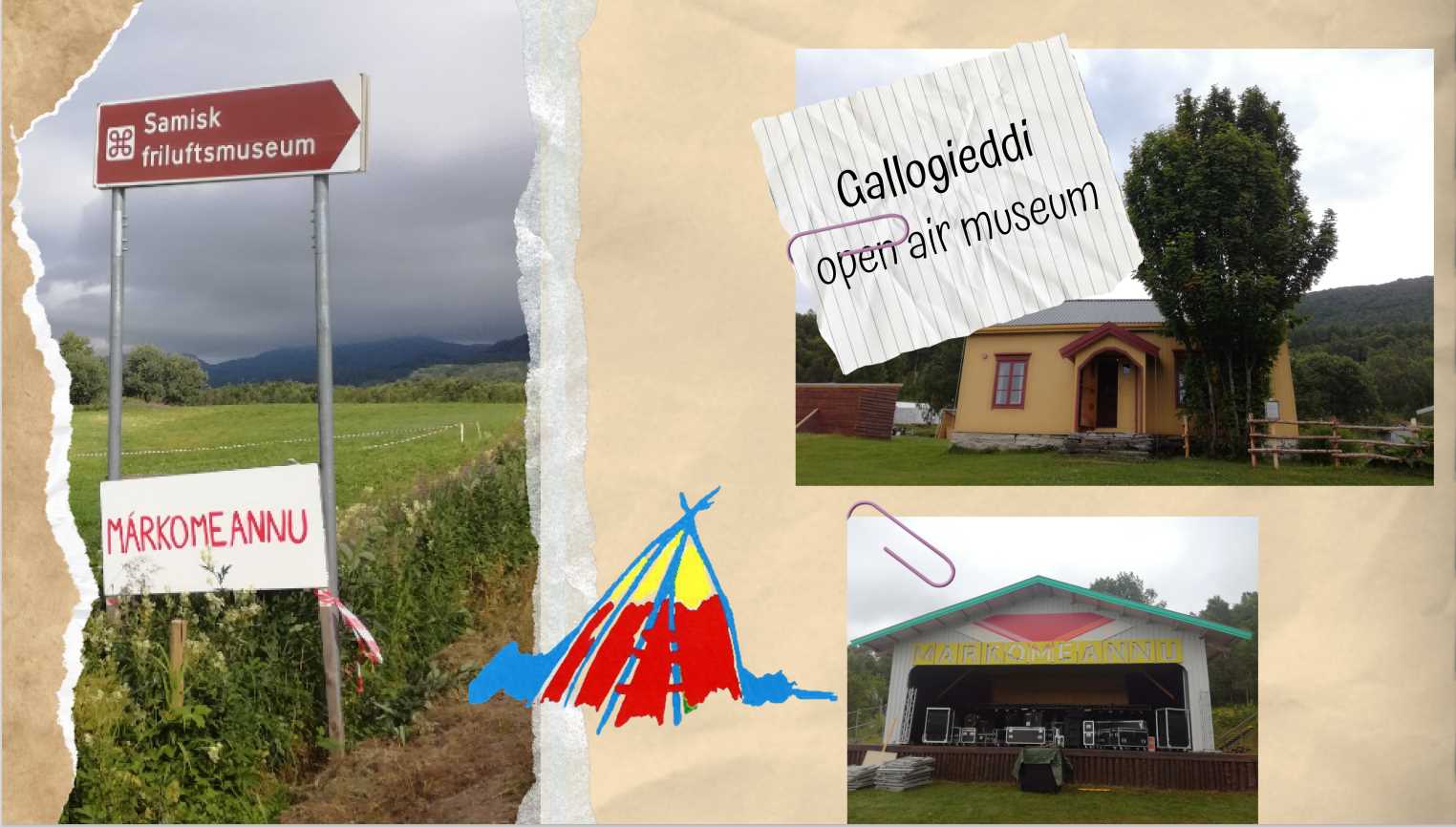
Gállogieddi is today an open-air museum organized under Várdobáiki Sami Centre