Giella lea juohke sajis
Words by the boulder
Linguistic Efflorescence at Gállogieddi
Language is Everywhere
Prošeavtta birra
About the project
Gielladuovdagat
Linguistic Landscape
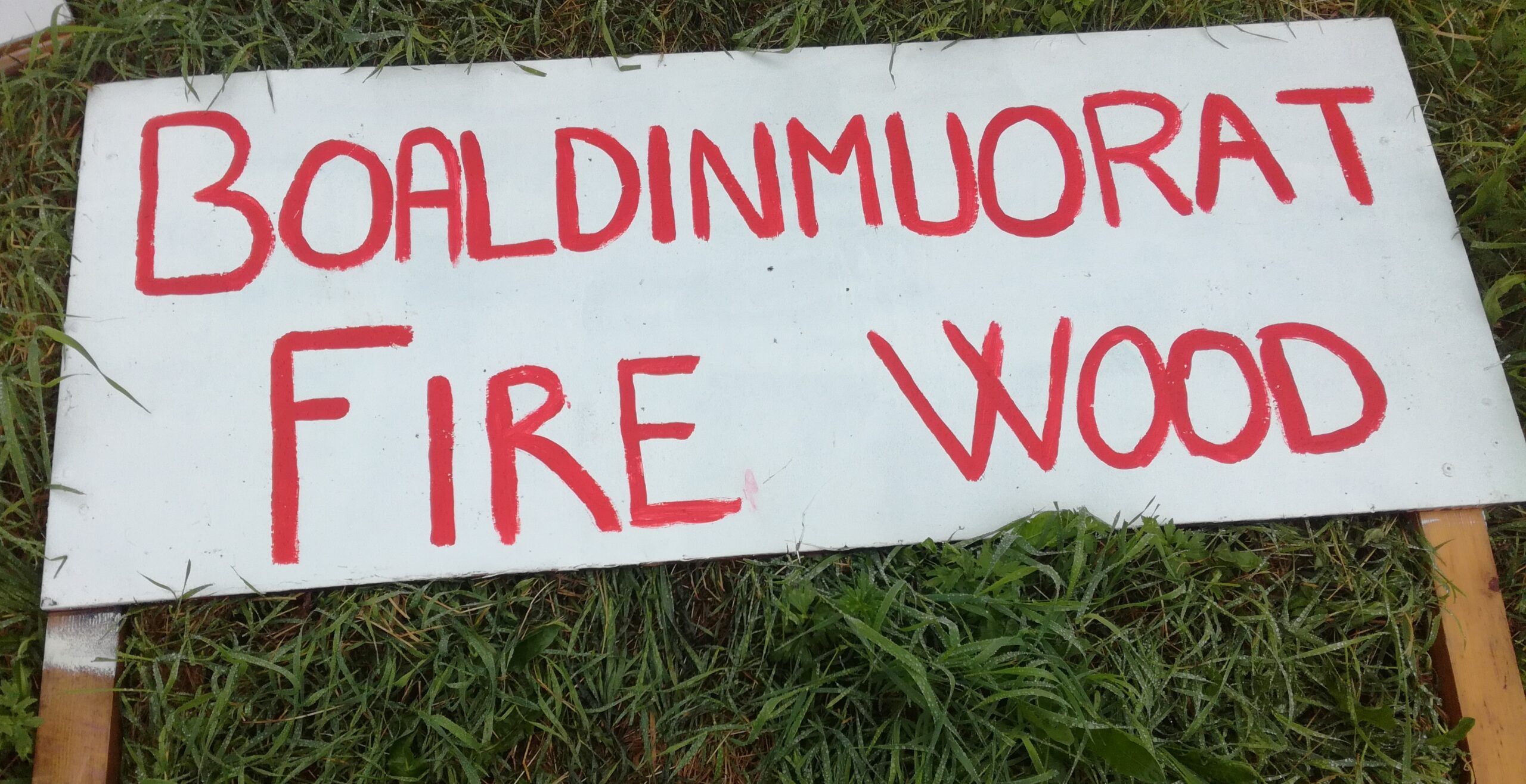
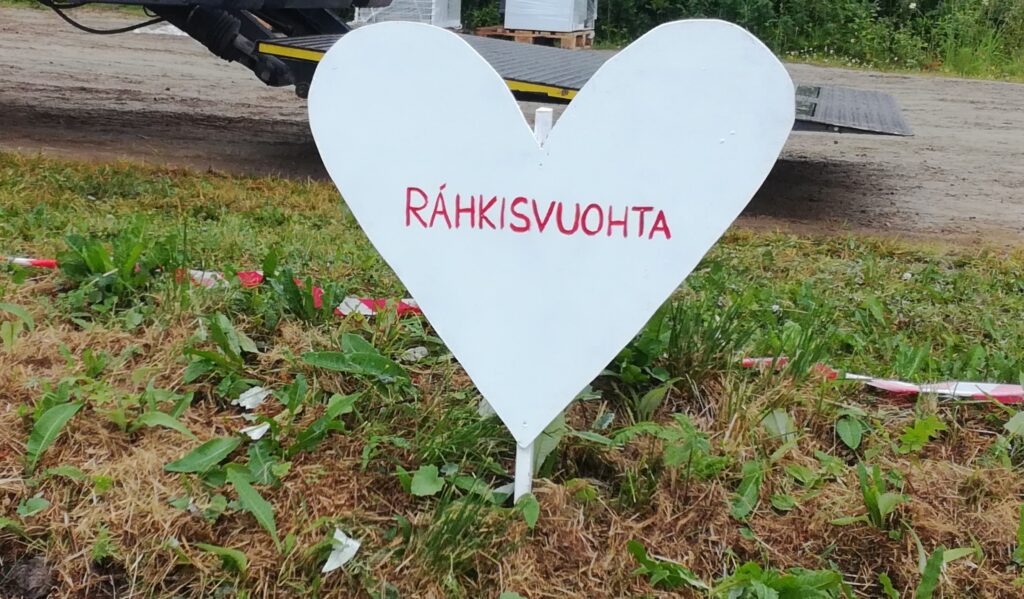
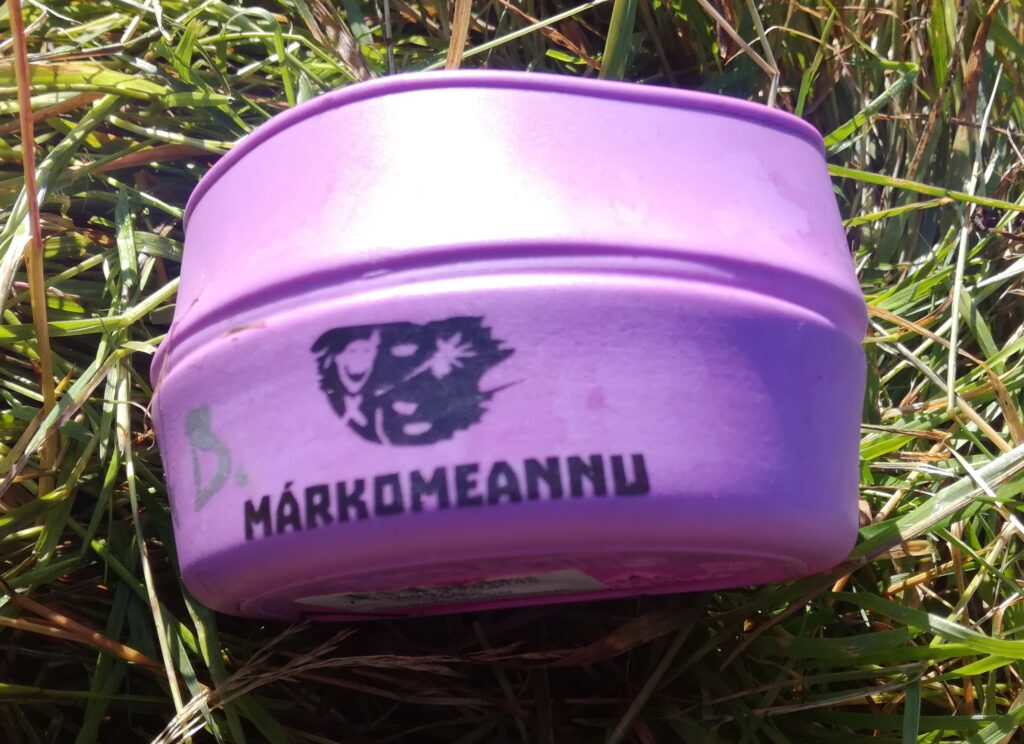
At Márkomeannu festival (Gállogieddi, Stuornjárga, Norwegian side of Sápmi), written Márku-Sámi language is omnipresent. Márku-Sámi is used and displayed in all possible contexts. This effort in displaying and encouraging people to use the language are acts of linguistic activism.
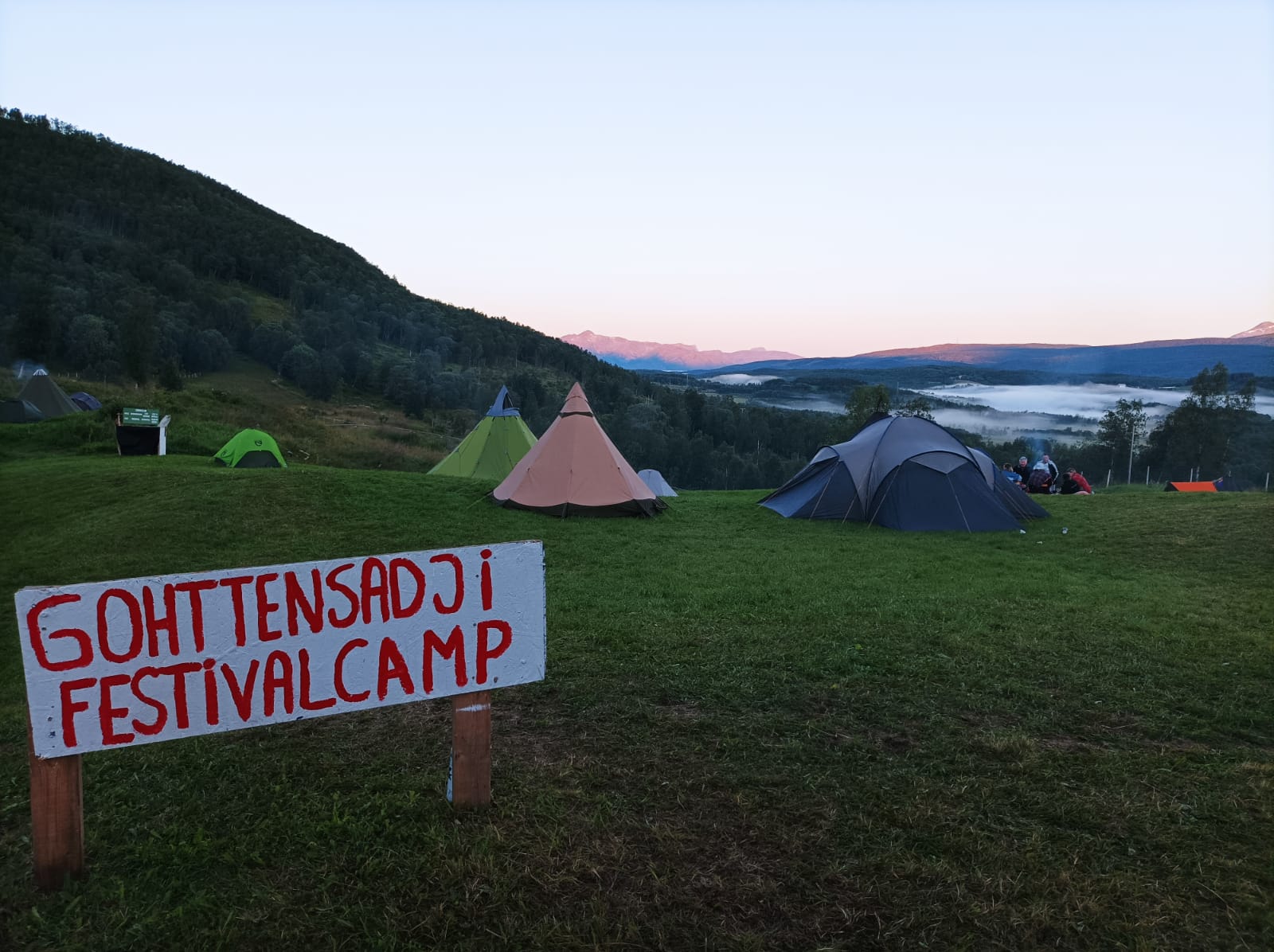
These words are literally inscribed in the landscape into which they are usually used: the food list in the festival kitchen, the word for water close to the fountains, the term for toilet nearby the portable toilet.
The visibility and site specificity of displayed words help people memorize them, fostering language knowledge among festival-goers.
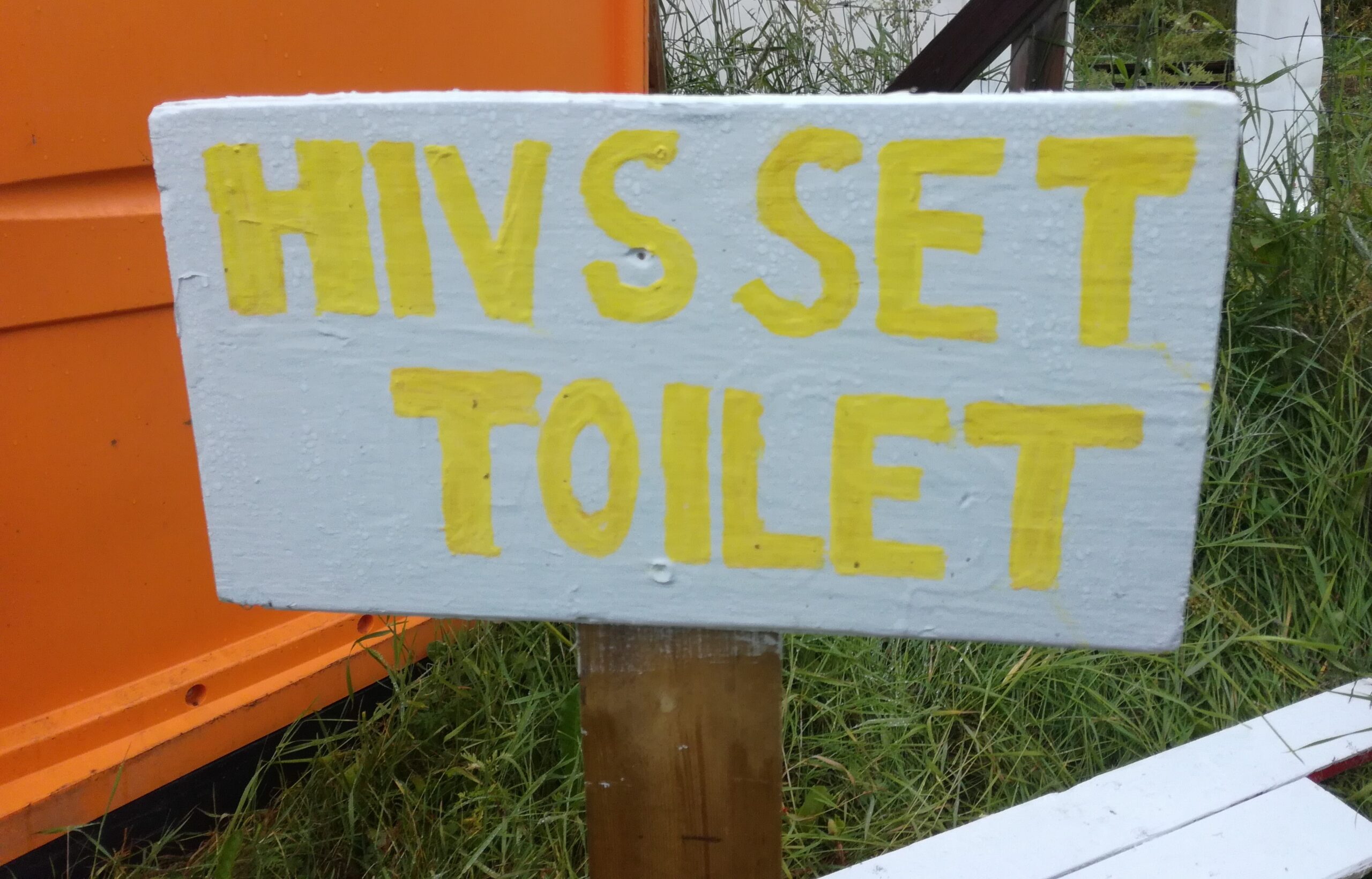
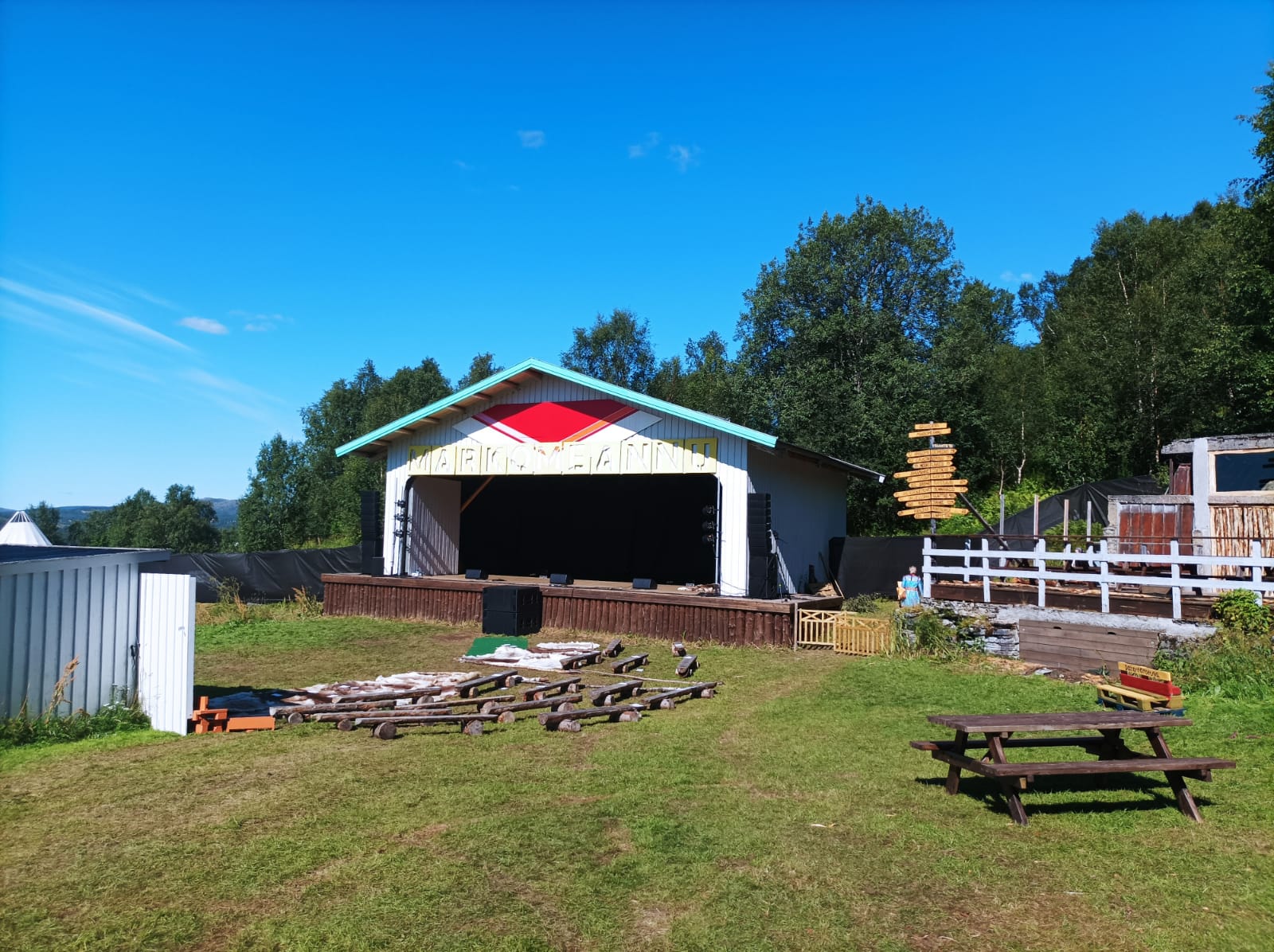
The use of the local Sámi language in the festival’s linguistic landscape can be considered a decolonial strategy. People are encouraged to use the Márku-Sámi words in the festival context, even if they do not master the language.
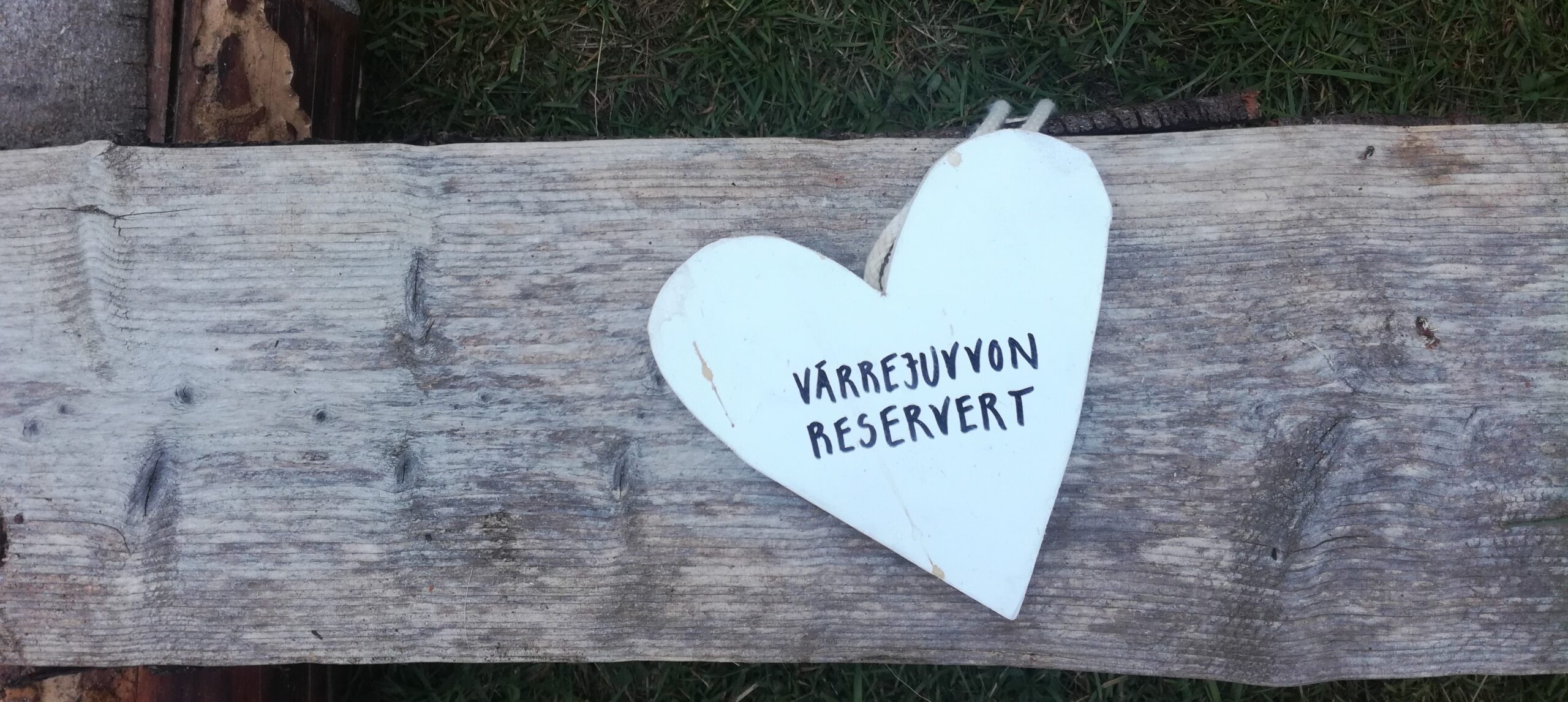
The aim of the festival organizers has been to endow the local Márku-Sámi language with social prestige and hence, foster pride in its speakers.
Language prestige is especially important in a multilingual and multicultural community such as that of Stuornjárga.
Intangible cultural heritage
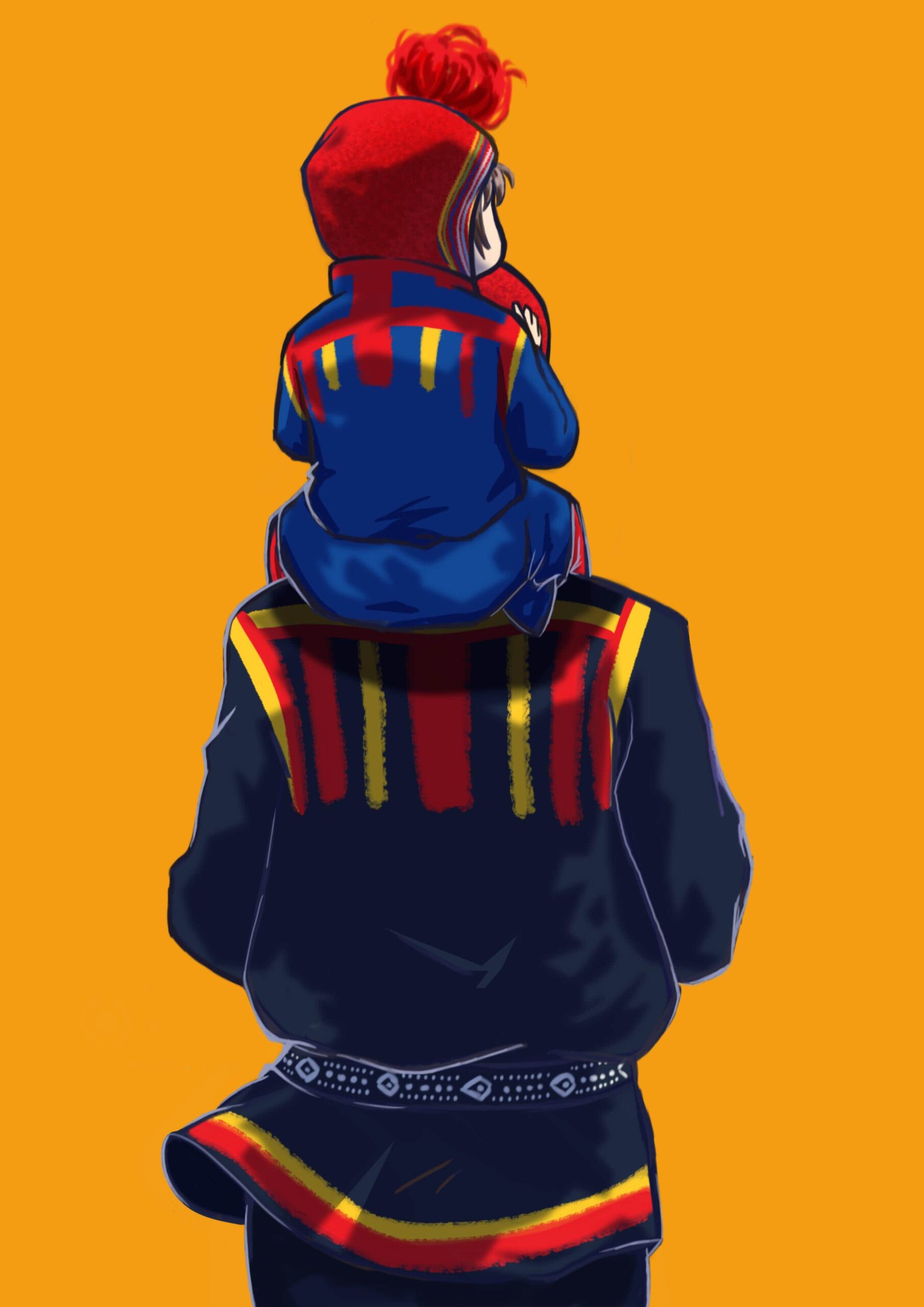
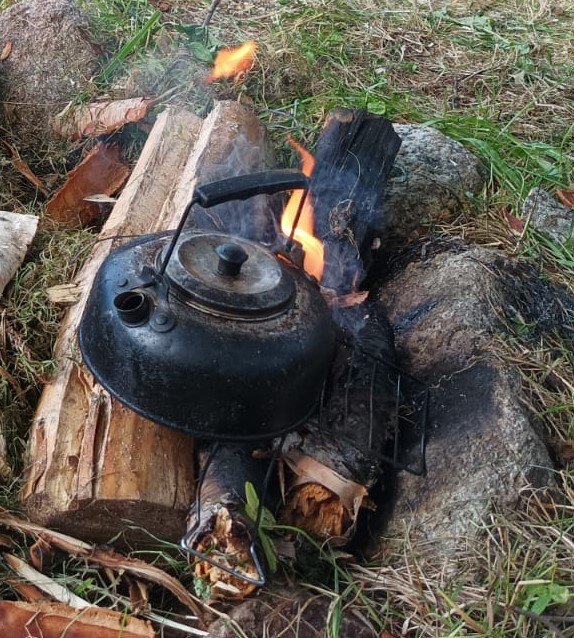
Intangible heritage consists of nonphysical intellectual wealth, such as folklore, customs, beliefs, traditions, knowledge, and language. Intangible cultural heritage is considered by member states of UNESCO in relation to the tangible World Heritage focusing on intangible aspects of culture.
check here the UNESCO Convention for the Safeguarding of the Intangible Cultural Heritage
Professor Susan Manning
Professor Susan Manning was a Scottish academic specialising in Scottish Studies and Literature. Before her death in 2013 at the age of 59, she was the Grierson Professor in English literature at the University of Edinburgh and the Director of the Institute for Advanced Studies in Humanities (IASH) at the University of Edinburgh.
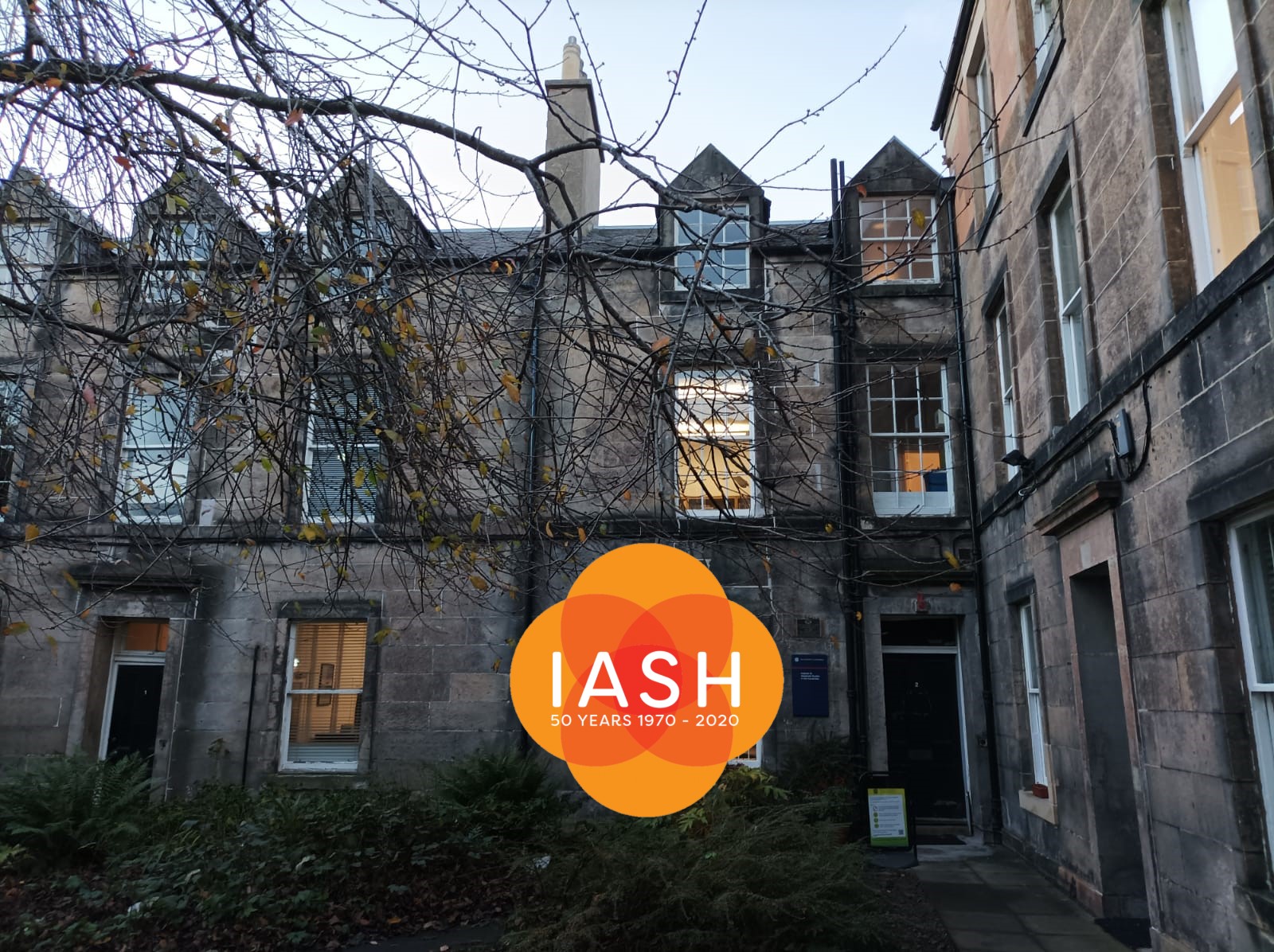
The Institute for Advanced Studies in the Humanities at the University of Edinburgh is one of the world’s premier Institutes for Advanced Study.
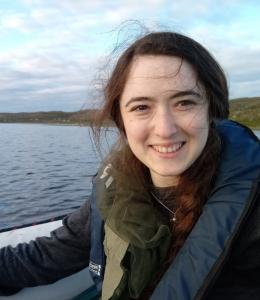
Erika De Vivo
Erika is a IASH fellow and an early career researcher specialising in cultural anthropology and Sami studies. Her main research interests are Indigenous efflorescence, linguistic landscapes in Indigenous contexts, Sámi cultural heritage and art, Sámi cultural creativity and political activism.
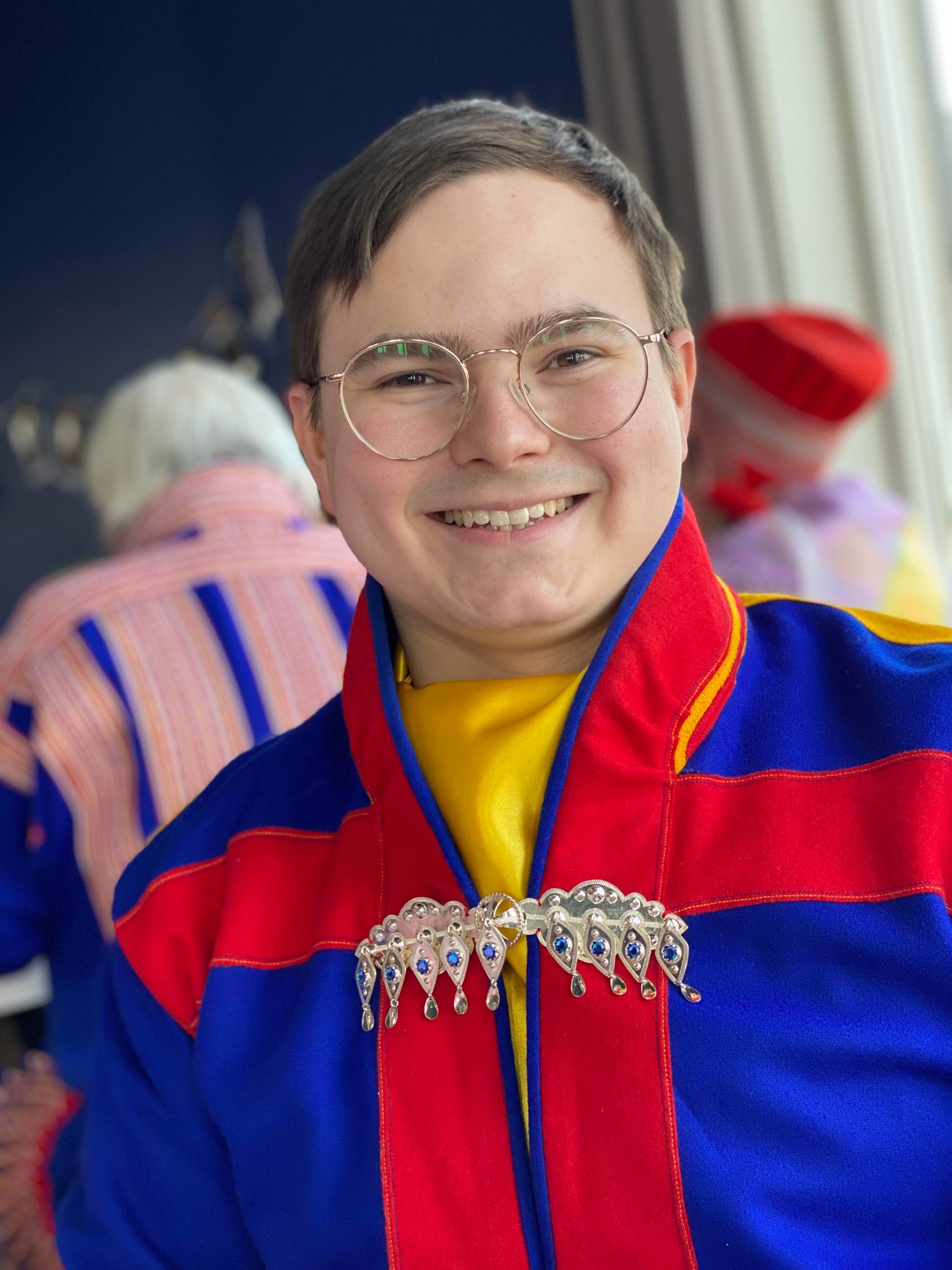
Lemet Máhtte Eira Sara – Language consultant
My name is Lemet Máhtte Eira Sara and I grew up in the Márkusámi area. I used to work as a summer guide at the sámi museum in Gállogieddi, however I’m currently studying at the sámi teachers education at Sámi Allaskuvla in Guovdageaidnu. For me the Northern Sámi language is identity and life. Therefore, I have also translated the popular videogame Minecraft into Northern Sámi. I doubt that I would have cherished my mother tongue as much as I do, without my family and cultural meeting places, such as Márkomeannu. At Márkomeannu, I am able to meet other sámi and use the language actively, and most importantly seeing it in its written form.
This dissemination project is connected with Dr Erika De Vivo’s IASH fellowship
and is focused on the results of her IASH research:
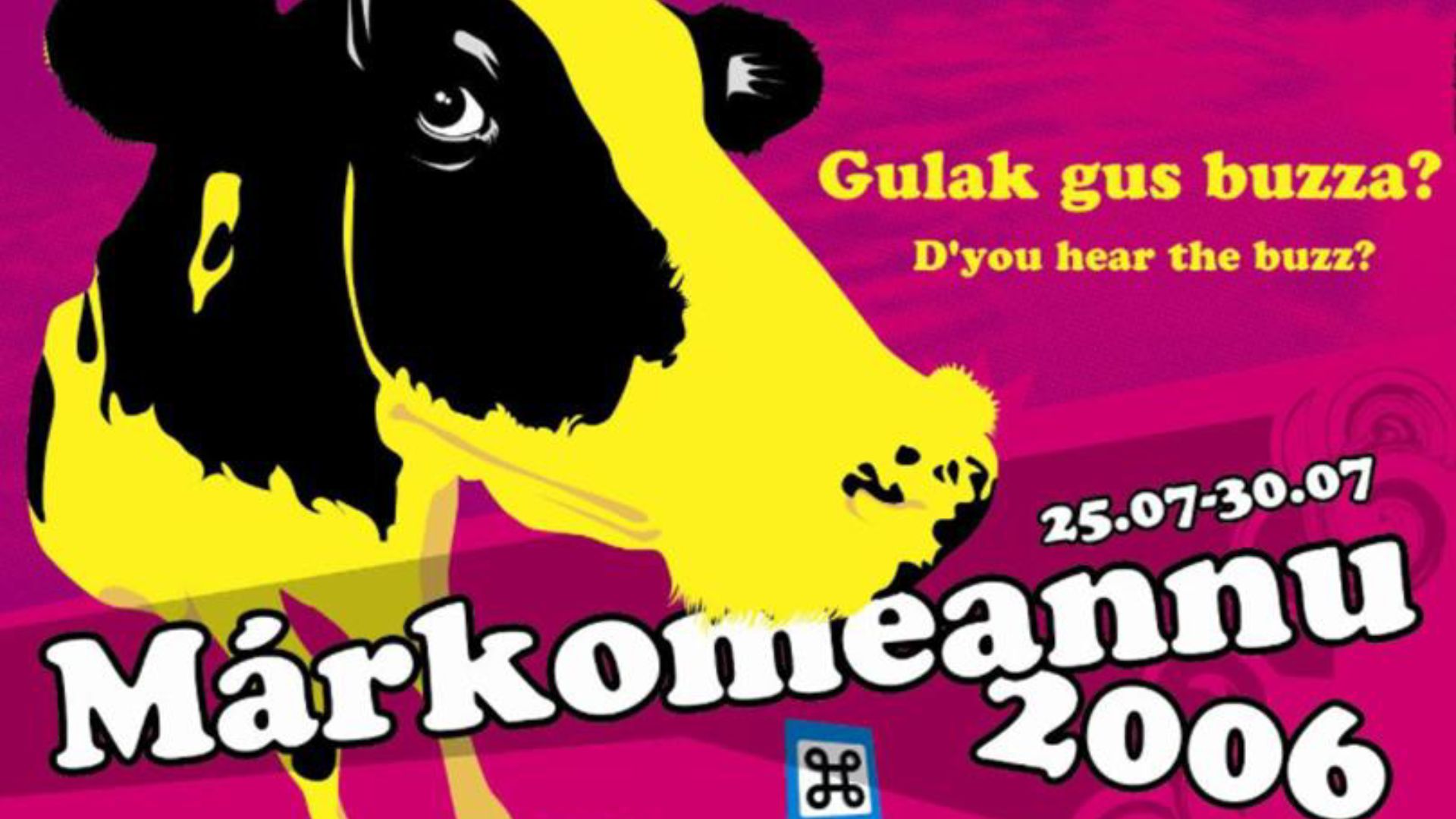
“Gulak gus buzza?”
An anthropological study of Márkomeannu Festival as a site of linguistic activism
through the analysis of its linguistic landscape
The project “Gulak gus buzza?” (Márku-Sámi for “do you hear the buzz?”) addresses Márkomeannu festival as a site of linguistic and toponymic activism and examines the use and displaying of Sámi languages in public spheres as collective practices counteracting stigmatization and reversing language shift. Hence, this project seeks to analyse the linguistic landscape of the Márka-Sami festival Márkomeannu and of its virtual spaces (in particular, the festival’s official website and its various social media accounts) through the lenses of cultural anthropology, heritage, digital humanities and linguistic landscape studies. Such an interdisciplinary approach allows a broader understanding of the premises of, and the dynamics leading to, current phenomena of cultural efflorescence in this area. It also permits comprehension of the entwinement of interdependent processes such as heritagization practises valorizing Indigenous Sámi cultural heritage beyond museums, and the counteracting toponymic silencing and colonialism by restoring Indigenous Sámi placenames which are often repositories of Sámi history while also encapsulating localized Indigenous ontologies.
The title of the project comes from the Márkomeannu festival’s 2006 poster and the name of the then festival’s blog!